Turn off the water supply only when you can do so safely on dry ground. If clean water leaks from a sink, toilet, or washer, turn that fixture valve clockwise. For a pipe break inside a wall, shut off your main house water valve. If water pools in the street meter box, call City of Oceanside Water Utilities at (760) 435-3900 or call an emergency plumber.
Water Damage Restoration Oceanside CA, 24/7 Emergency Services
Water spreads fast when a pipe bursts, a water heater leaks, or storm rain enters your building. It runs across floors, slips under baseboards, and soaks into drywall within minutes. We provide full-service water damage restoration in Oceanside, CA, for homes, rentals, and commercial spaces.
Our crew answers phones day and night, seven days a week. We pump out standing water, dry wet walls and subfloors, clean affected rooms, and repair damaged finishes.
Acting early helps protect floors, cabinets, and personal items before rot or mold sets in. Call (760) 273-0549 now to reach our 24/7 Oceanside dispatch line and schedule an on-site inspection.
Water Damage: What You Can Do Right Now
Finding water on your floor calls for calm, safe steps first. Protect people and pets before trying to save rugs, furniture, or drywall. Keep children and pets out of any room with standing water, slick tile, or a sagging ceiling.
Stay away from electrical outlets, cords, power strips, and appliances near wet floors. Never step into standing water to flip a circuit breaker or unplug a machine. If water reaches outlets or your main panel, stay back. Call an electrician or SDG&E at (800) 411-7343 for safe power shut-off help.
Treat water from a backed-up toilet, floor drain, sewer line, or street runoff as unsafe. Sewage and floodwater carry germs, human waste, and street chemicals, as warned in CDC flood safety guidance. Close doors to block off dirty rooms, wash your hands right away if splashed, and never point household fans at sewage.
Stand in a safe, dry doorway and take clear photos and short videos of wet rooms and ruined items. Those early images help your insurance adjuster verify what happened before cleanup starts. Wait for trained help before pulling up carpet, cutting walls, or throwing things out, especially when the source is unclear.
Water Damage Restoration Services We Provide in Oceanside
Every leak affects a building differently based on water cleanliness and what got wet. Clean tap water on tile needs a different plan than sewage on carpet or rain inside an attic. Our residential water damage restoration and commercial cleanup teams tailor every step to your property.
Damage Inspection and Assessment
Every job starts by finding where water entered and how far it moved. Our technicians inspect stained ceilings, swollen trim, warped planks, and damp cabinets across the room. We also check nearby pipes, roofs, and window frames for active drips.
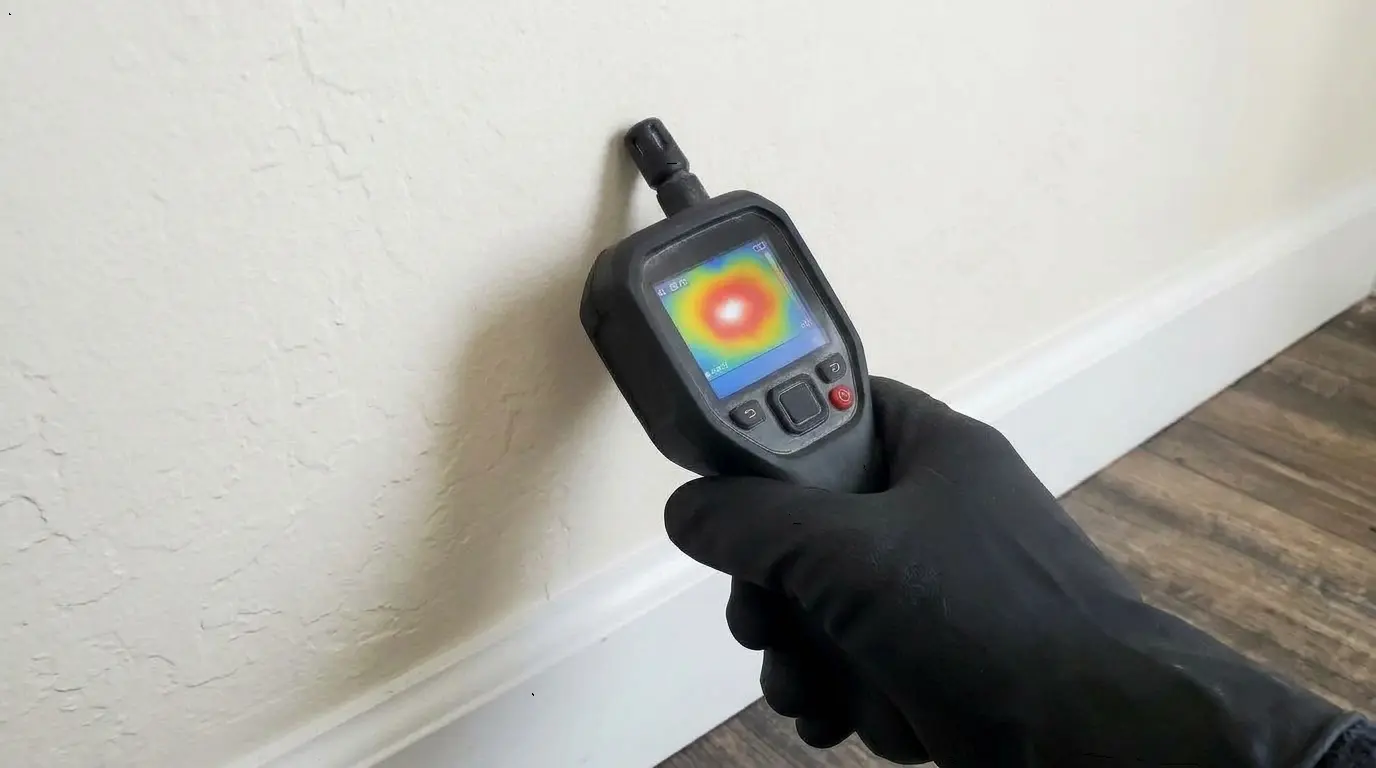
Looking at a room by eye never tells the full story. Water runs inside hollow walls, slips under vinyl or tile planks, and hides beneath cabinets. We test surfaces and framing with moisture meters so we find hidden damp spots without cutting open dry walls.
Emergency Water Removal
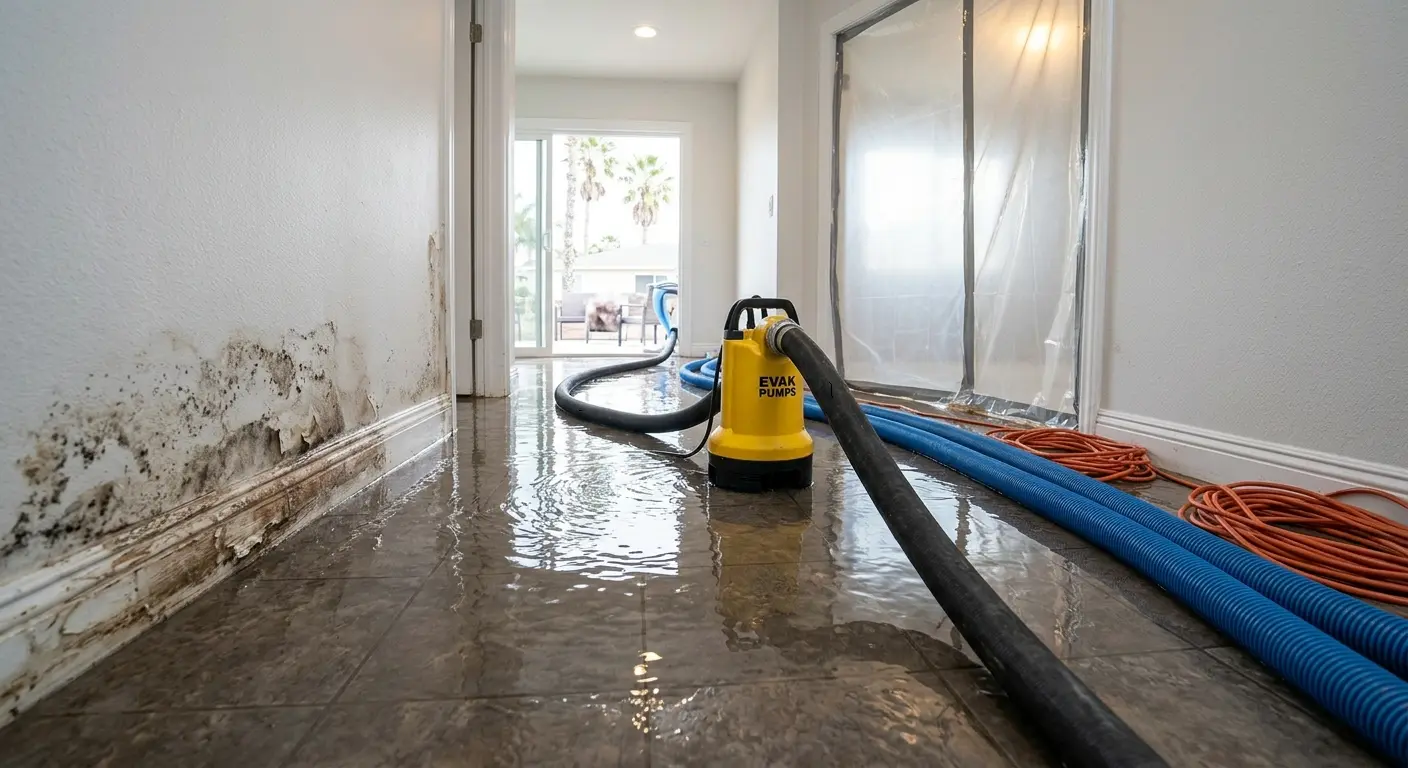
Standing water keeps soaking deeper into carpet pad, wood framing, and drywall every hour it sits. Fast water extraction pulls gallons of liquid out right away instead of waiting days for air evaporation.
We match our pumps and vacuum extractors to the water depth and floor type. Deep water in a lower room takes submersible pumps, while wet carpet and hard floors need weighted extraction wands. Removing visible water stops the spread, though damp wood and walls still need drying next.
Mold Remediation & Removal
Tiny mold spores float naturally inside every home and grow where surfaces stay damp. According to the U.S. Environmental Protection Agency (EPA), drying wet areas within 24 to 48 hours stops mold growth in most cases. Exact timing still depends on heat, airflow, and material type, so not every leak causes mold.
When mold is already growing on damp drywall or wood, surface sprays alone do not fix it. We verify that the water leak is fixed first and seal the work room with plastic sheeting. Then we scrub solid framing clean and safely bag and remove moldy porous items.
Sewage Damage Cleanup & Biohazard Water Removal
A broken sink line spills clean tap water. A sewer backup or main drain clog brings raw waste into your home. Rules from the Institute of Inspection, Cleaning and Restoration Certification (IICRC) classify sewage as Category 3 black water. Black water holds harmful bacteria and viruses.
Homeowners should never mop up sewage or pull it into a home wet vacuum. Our crew wears protective suits, heavy gloves, eye shields, and respirators. We extract raw waste safely, discard soaked carpet and lower drywall, disinfect bare framing, and dry the structure clean.
Burst & Frozen Pipe Water Damage
Pressurized water pipes run behind drywall, across attics, and inside concrete slabs. A split pipe can spray gallons of water inside walls before a puddle shows in your hall. Burst pipe water damage in Oceanside usually comes from copper pinholes, rusted steel lines, or high water pressure rather than ice. Exposed attic or outdoor pipes inland can still split during rare winter freezes.
Turn off your main water valve if the path is dry, and have a plumber fix the broken pipe. Our crew then opens wet wall cavities as needed, pulls water from behind base cabinets, and dries soaked wood framing.
Basement Water Removal
Many coastal Oceanside homes sit on flat concrete slabs with no basement below. Still, hillside lots, split-level layouts, and custom homes across town have daylight basements, lower rec rooms, and underground garages. Water from upstairs leaks, yard drains, and wet soil flows straight down to these lowest floors.
We pump out pooled water and inspect foundation walls and floor drains to trace how water entered. Next, we clear ruined storage boxes when approved and dry damp masonry, framing studs, and flooring.
Storm Damage Restoration
Heavy Pacific winter storms and coastal gusts drive rain hard against roofs, stucco walls, skylights, and patio doors. Wind-blown rain slips under loose tiles, worn flashing, or cracked window caulk. Wet spots often appear hours later along upper corners or sliding door tracks.
Drying floors indoors does little good if outside gaps stay open before the next rain band arrives. We set temporary tarps or board-ups over exposed storm openings, extract water indoors, and dry wet framing and ceilings.
Ceiling & Roof Leak Water Damage
Ceiling leak water damage leaves clear clues when you check overhead surfaces. Watch for brown water rings, soft or bubbling paint, loose joint tape, musty attic smells, or drips near ceiling lights. Above the drywall, wet attic insulation holds heavy water weight that makes soggy drywall sag.
Never climb onto a wet or steep roof, and never stand beneath a bulging paint blister to poke it open. Our crew checks attic framing safely from inside, drains trapped ceiling water safely, pulls wet insulation when needed, and dries ceiling joists.
Appliance Leak Cleanup
Washing machines, dishwashers, fridges, and tank water heaters hold or move large amounts of water over finished floors. Split washer hoses, clogged dishwasher drains, cracked ice lines, and rusty water heaters often drip unseen behind cabinets for days.
Even a slow drip beneath a fridge creeps sideways under wood planks, vinyl tiles, and cabinet bases. We slide heavy appliances out safely, test hidden subfloors and lower cabinets for dampness, and dry tight gaps before rot starts.
Commercial Water Damage Restoration
Water inside an office, retail shop, clinic, restaurant, or apartment building threatens staff safety, tenants, stock, and daily work. Slick halls, soggy drop ceilings, and wet utility closets can force rooms to close if water sits untouched.
We help business owners, landlords, and HOA managers isolate wet areas safely, extract standing water, and keep clear records. Full details for business properties appear in our dedicated commercial section further down this page.
Flood Damage Cleanup
Rising water from outside a building differs sharply from clean tap water leaking from a bathroom pipe. Storm runoff from streets, yards, storm drains, or creeks picks up mud, oil, lawn chemicals, and animal waste outdoors. Outside floodwater must be treated as dirty Category 3 water even when it looks clear.
Because floodwater carries mud and germs, running fans alone is never safe. Our flood cleanup crew checks power safety, pumps out muck, and removes soaked lower drywall and carpet. Then we wash solid wood framing with disinfectants and dry the bare structure.
Structural Drying & Dehumidification
Wood studs, plywood subfloors, drywall cores, and concrete slabs hold water like dense sponges. Deep moisture stays locked inside those materials long after surface puddles are vacuumed dry. A painted wall or wood floor can feel cool and dry to your hand while trapping heavy dampness underneath.
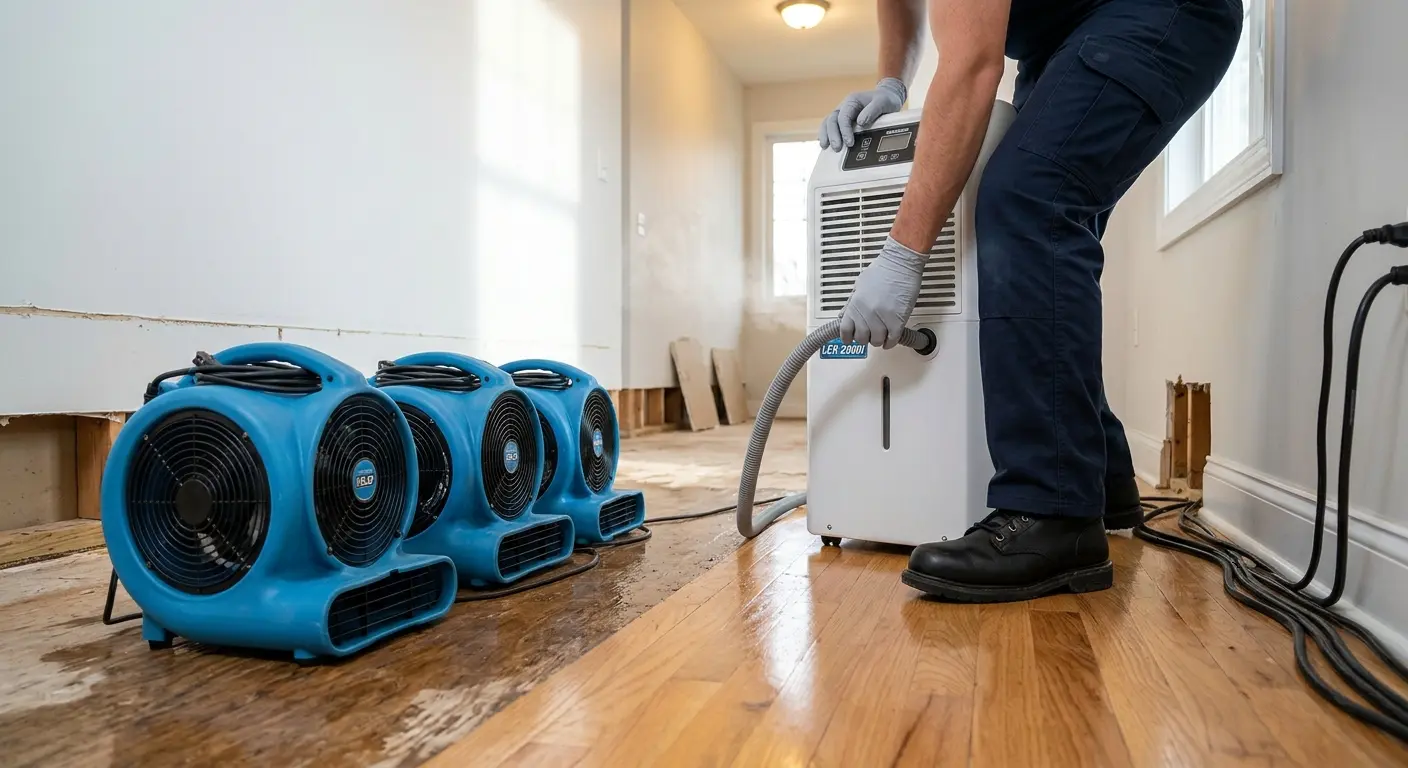
We set high-airflow fans to lift moisture off wet wood and pair them with commercial dehumidifiers that pull vapor from the air. Technicians track moisture meter readings each visit and adjust gear until framing hits verified dry targets.
Emergency Water Removal & Cleanup in Oceanside
Leaks do not wait for weekday business hours. Water left sitting overnight creeps under doors, wicks up dry hall walls, and stains furniture legs. That is why we answer phones live 24/7 for emergency water damage restoration and cleanup in Oceanside.
Safety comes first the moment our crew pulls up. Technicians check for shock risks near wet outlets, slick floors, and heavy wet ceilings before carrying gear indoors. If clean water still flows from an easy-to-reach valve, we help shut it off and tell you right away if a plumber is needed. Next, we trace how far water moved and start immediate water extraction so liquid stops spreading.
Clearing visible puddles ends the active spill phase and starts controlled drying. Before leaving that first visit, we hang containment barriers if helpful, place air movers and dehumidifiers, log starting moisture readings, and explain what happens next.
Stay safe while waiting for our truck. Keep children and pets in a dry room. Lift small chargers or papers off dry floor edges only when safe, and clear cars from the driveway for hose access. Call (760) 273-0549 now for 24/7 emergency water cleanup in Oceanside.
When you call (760) 273-0549, sharing five quick details helps our dispatcher send the right truck and gear fast:
- Property Address. Share your street address in Oceanside plus any gate code or parking notes.
- Water Source. Tell us where the water seems to come from and whether it stopped flowing.
- Affected Area. Estimate how many rooms or floor levels have water on them.
- Water Type. Note whether the water looks clear, soapy, muddy, or backed up from a drain.
- Power Status. Let us know if lights and outlets work safely in dry rooms.
Why Oceanside Homeowners Rely on Us for Water Damage Restoration
Letting a crew bring hoses, fans, and tools into your home takes real trust. Homeowners and property managers call us because we rely on proper credentials, measured testing, and plain spoken answers instead of sales hype.
Local Water Damage Restoration Company
Working across Oceanside gives our technicians hands-on familiarity with local homes and coastal air. Houses near the beach deal with damp ocean air that slows evaporation when windows are left open. Inland tracts have two-story stucco homes where upstairs laundry leaks drop straight through first-floor ceilings. Older cottages near downtown often hide aging copper or steel pipes inside plaster walls or tight crawl spaces.
Every part of our water damage cleanup and repair approach gives you clear, practical value:
- State Licensing and Crew Training. State licensing and industry training mean two different things, and both matter. In California, the Contractors State License Board (CSLB) licenses contractors allowed by law to perform building repairs. Groups like the IICRC train technicians in water safety, moisture testing, and drying methods. Our work is handled by licensed, insured, and trained pros in full compliance with California law.
- Live 24/7 Phone Dispatch. Water leaks hit late at night and early on weekends. Speaking straight with a live coordinator cuts out wasted hours while water spreads across floors.
- Measured Moisture Mapping. We use pin and surface moisture meters plus air humidity gauges instead of guessing by sight. Real readings locate damp pockets behind cabinets and keep dry walls from getting cut open needlessly.
- Commercial Extraction and Drying Equipment. Heavy extractors, high-speed air movers, and low-grain dehumidifiers pull deep water out of wood and concrete that small rental fans miss.
- Matched Sanitization and Full Repairs. We match cleaners to the true type of water loss rather than spraying harsh chemicals everywhere. When ruined drywall, trim, or floors must come out, we also handle rebuild repairs so you are not left with open studs.
- Organized Paperwork for Insurance Claims. Clear moisture logs, dated photos, and itemized work lists give your insurance adjuster straight facts to review your claim smoothly.
Our Water Damage Restoration Process
Knowing what happens step by step removes guesswork after a leak. Each job adapts to fit your rooms and water type, yet our water restoration Oceanside process follows seven clear steps from first call to final walk-through.
1. Emergency Response and Site Assessment
Your call begins with a quick check on your address, safety risks, and water source. At your property, our lead tech checks electrical safety, floor stability, and ceiling weight first. We trace where water entered, confirm the leak stopped, and classify whether water is clean, gray, or black water so proper safety gear starts right away.
2. Water Removal and Containment
Next, our crew pumps and vacuums standing water from carpets, hard floors, closets, and lower rooms. When only one section of your house is wet, technicians hang plastic sheeting across doorways. Containment keeps warm, dry airflow focused inside the wet zone and keeps dry bedrooms comfortable.
3. Moisture Detection and Inspection
Once puddles are gone, technicians test walls, trim, cabinets, subfloors, and ceilings with moisture meters. We measure dry rooms in your home first to learn what normal dry framing reads inside your house. Then we map every hidden damp pocket and review our findings with you before cutting anything open.
4. Drying and Dehumidification
Technicians set commercial air movers and dehumidifiers based on room size, wall build, and meter numbers. Fans push damp air off wet surfaces while dehumidifiers pull vapor out of room air. We return regularly to log new readings, shift fans as wet spots shrink, and pull gear once dry targets are met.
5. Cleaning and Sanitization
Cleaning steps always match the water source and surface type. Clean pipe water caught early may only need HEPA vacuuming and surface wiping. Gray appliance drips or sewer backups call for removing soaked porous items and scrubbing wood studs with approved disinfectants. Odor treatments clear musty smells at the source rather than masking them with heavy scents.
6. Repairs and Reconstruction
Many clean leaks dry right in place with zero demolition. When wet insulation, buckled planks, swollen cabinets, or dirty drywall had to come out, repairs start only after wood framing tests dry. Rebuild work can cover fresh insulation, new drywall and texture, paint, trim, and replacement flooring.
7. Final Walkthrough and Quality Check
At the end of the project, our supervisor walks every room with you. Together we check final dry readings, inspect cleaned rooms and finished repairs, and point out any roof caulk or plumbing hoses worth watching later. Call (760) 273-0549 anytime to talk through what your property needs.
Common Causes of Water Damage in Oceanside, CA
Water trouble starts in several familiar ways across Oceanside neighborhoods. Spotting early warning clues helps you catch hidden leaks before floors buckle or drywall softens.
Burst, Broken, or Pinhole Pipes. Aging copper and steel supply lines hidden inside walls or concrete slabs wear thin over time. Watch for faint hissing in quiet walls, warm spots on bare tile or concrete, or sudden water bill spikes. Call for an inspection right away if your street meter dial spins while every faucet inside is turned off.
Loose Plumbing Fittings and Valves. Under-sink supply lines, toilet fill valves, and compression nuts stiffen and crack with age. Damp cabinet bottoms, warped particleboard under sinks, or musty smells inside bath vanities point to slow drips.
Appliance and Water Heater Leaks. Garage and closet tank water heaters rust from the inside out, while rubber washer hoses split under constant pressure. Rust streaks in a heater pan, damp lint behind a washer, or curled kitchen planks beside a dishwasher need a close look.
Roof and Ceiling Leaks. Dry summer sun bakes roof sealants and vent boots before winter rain storms test every seam. Brown bedroom ceiling stains, damp attic rafters, or drips from recessed lights during storms mean both roof flashing and interior framing need attention.
Heavy Winter Rain and Creek Runoff. As noted in City of Oceanside floodplain guidance, heavy Pacific storms and El Niño rain bands can overwhelm street drains. Heavy rain also raises water along the San Luis Rey River plus Loma Alta, Garrison, Buena Vista, and Pilgrim Creeks, while hillside runoff can pool against stucco walls.
Overflowing Toilets and Sewer Backups. Tree roots in yard sewer lines, grease clogs, or main sewer backups push dirty waste up through low tubs, showers, and toilets. Gurgling drains or dark foul water rising in a tub calls for a plumber right away and biohazard cleanup.
Leaky Windows, Patio Sliders, and Stucco Cracks. Salt air and bright sun wear down caulk around windows and sliding glass doors. Bubbling paint below sills or damp carpet beside door tracks after windy rain signals hidden wall dampness.
Detailed Water Damage Inspection in Oceanside
Guessing how far water moved inside a house causes two costly mistakes. Missing wet framing behind a wall lets rot and mold grow out of sight. Tearing out dry cabinets without testing first runs up repair costs for no reason. A thorough water damage inspection in Oceanside replaces guesswork with meter readings.
Our water damage assessment begins where water first appeared and works outward systematically. We check supply pipes, drain traps, water heaters, roof vents, window caulk, and yard slopes outside the wet wall. Pinpointing the true source keeps water from sneaking back in once drying ends.
READ FULL MOISTURE TESTING BREAKDOWN
Next, we inspect ceilings, drywall, trim, cabinets, carpet, wood planks, and tile edges in the wet room and adjacent rooms. Gravity pulls water along framing paths out of plain sight. An upstairs tub leak often runs along floor joists and drops down inside a closet wall fifteen feet away.
To trace hidden paths, technicians pair two types of moisture meters. Smooth surface scanners glide over paint, tile, and planks to flag damp spots below without leaving marks. Thin pin probes measure exact moisture depth inside wood studs, trim, and drywall cores where needed.
Most inspections do not require cutting open walls right away. When meters show water trapped behind a cabinet kickplate or above a ceiling, we share those numbers first. Often we can check existing plumbing access panels or pop off a baseboard cleanly instead of cutting drywall blindly.
At the end of the check, we explain our findings in plain English. You see where moisture sits, whether the water source is clean or dirty, what can dry in place, and what steps come next. Call (760) 273-0549 to schedule a water damage inspection in Oceanside.
Why Fast Water Removal Matters
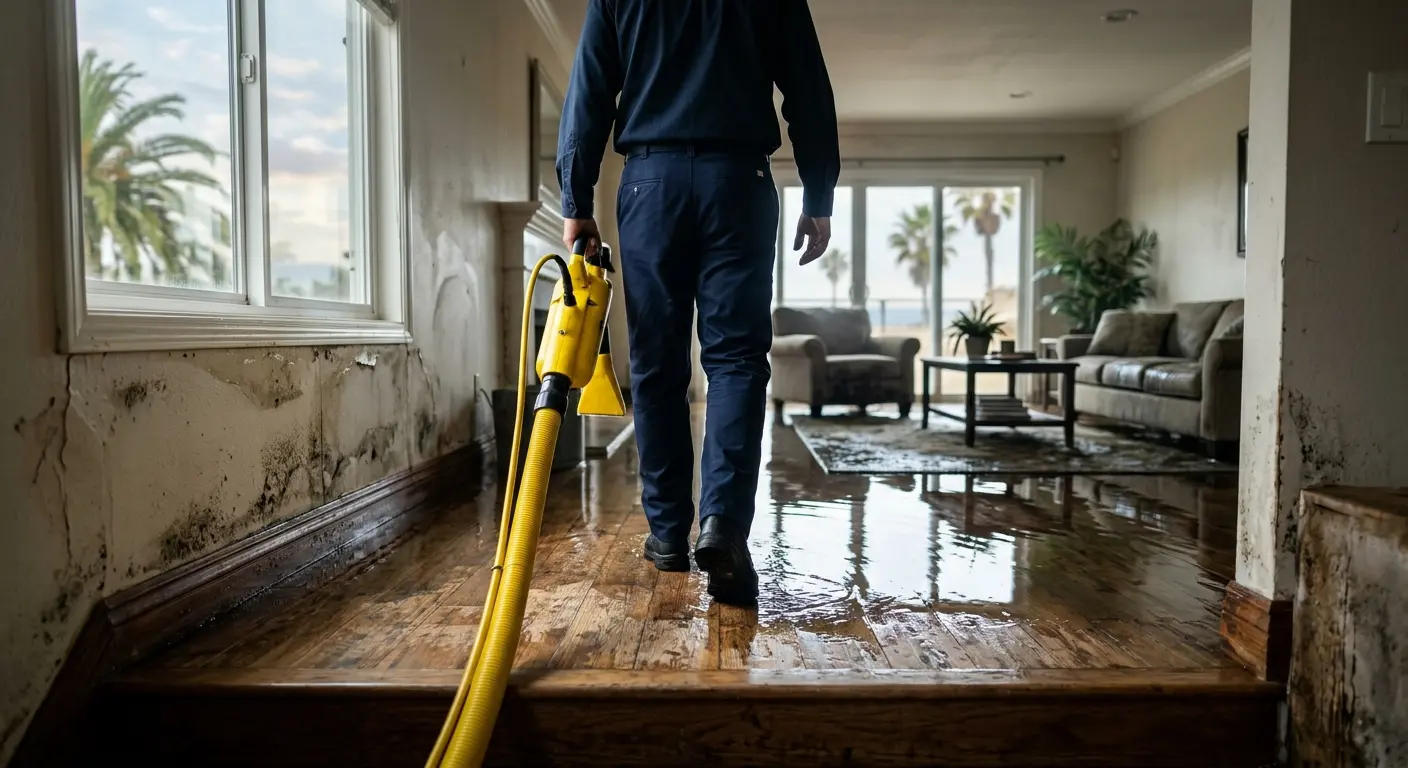
Standing water never stays neatly contained in one spot. Porous building materials pull liquid upward and outward like a dry sponge dipped in water. Removing water promptly limits how far moisture spreads and saves finishes that slow action ruins.
Drywall drinks floor water straight through its bottom edge, pulling moisture inches and then feet up inside hollow walls. Kitchen and bath cabinets made with particleboard swell and crumble once water reaches unsealed bottom edges. Solid wood planks cup along their edges as bottom faces soak up water, while laminate planks bubble along locked joints.
HOW WATER QUALITY & MOLD RISK CHANGE OVER TIME
Time also ruins water cleanliness. Clean tap water from a broken pipe mixes with floor dirt, drywall dust, soap residue, and pet hair across floors. Left stagnant for days, once-clean water grows bacteria and sour smells. Materials that could have dried cleanly on day one often require tear-out when left wet for days.
Lingering dampness also raises indoor mold risk. Public health groups including the EPA note that drying wet items within 24 to 48 hours prevents mold growth in most cases. Still, mold does not follow an exact hour timer. Real outcomes depend on room temperature, coastal humidity, airflow, material type, and water cleanliness.
Not every brief delay turns into major structural damage, especially when clean water hits tile or garage concrete. Calling early simply lets a pro measure hidden dampness, stop water spread fast, and save restorable finishes.
Structural Dry Outs: The Science Behind Proper Water Damage Restoration
Once puddles are vacuumed away, homeowners ask a smart, fair question: how do you know the inside of my walls and floors are actually dry? Proper structural dry out services rely on measured evaporation and meter logs rather than running fans for three days and hoping.
Water extraction removes free liquid sitting on floors and carpet fibers. Structural drying removes bound moisture locked deep inside solid building materials. Wood studs, subfloors, drywall cores, and concrete slabs hold pints of water inside tiny pores. Painted walls often feel dry to your hand while deep dampness stays trapped underneath.
Pulling that deep moisture out takes three elements working together at once:
- Steady Air Movement. High-speed air movers blow across wet walls, floors, and open trim gaps. Moving air sweeps away thin layers of damp air clinging to wet wood so deeper moisture can rise out.
- Water Damage Dehumidification. Evaporated water turns into invisible vapor floating in room air. Without a commercial dehumidifier pulling that vapor out, room air saturates like a steamy bathroom and drying stalls. Near the coast in Oceanside, opening windows often brings damp ocean air inside instead of helping walls dry.
- Controlled Warmth. Commercial drying machines release gentle warmth inside the closed zone. Warmer air helps stubborn moisture release faster from cool concrete slabs and thick framing lumber.
BASELINE DRY TARGETS & UNSALVAGEABLE MATERIALS
Careful setup and regular tracking guide every dry-out. On day one, our tech tests dry wood and drywall in an untouched room of your home to set your normal dry baseline. Each check compares wet room readings against that baseline. Machines come out only when meter readings prove framing and walls hit dry goals.
Some wet materials cannot dry safely in place. Collapsed wet attic insulation traps water against joists, and swollen particleboard stays weak after drying.
Drywall or carpet pad soaked by sewage or floodwater also holds germs that fans never cure. Removing those ruined pieces protects your health and lets bare framing dry clean.
Basement Flood Cleanup
Slab-on-grade homes make up much of coastal Southern California. Even so, Oceanside has hillside builds, split-level layouts, underground garages, and custom homes with full or daylight basements. Below-grade rooms face distinct water entry risks because gravity and wet soil push water inward.
Basement dampness often leaves small clues before deep flooding starts. Look for white chalky mineral lines on block walls, dark stains on lower trim, or rust rings under water heaters. Damp storage boxes or an earthy, musty smell after winter rain also point to hidden moisture.
Identifying how water entered matters first because the source sets the safe cleanup plan:
- Indoor Plumbing or Pump Failures. Split laundry hoses, leaking overhead drain lines, dripping shut-off valves, or failed sump pumps flood lower floors from inside.
- Rain Runoff and Soil Pressure. Clogged window wells, short downspouts beside walls, or saturated hillside dirt push ground water right through hairline slab cracks and masonry joints.
- Floor Drain and Sewer Backups. Clogged sewer mains push dirty Category 3 waste straight up through basement floor drains, showers, and utility sinks.
BASEMENT ELECTRICAL SAFETY, PUMP-OUT & PREVENTION
Keep electrical safety first in any wet basement. Low outlets, power strips, washer cords, sump plugs, and furnace controls sit right near floor level, so stay out of standing water until power is clear. Keep children and pets upstairs if drain waste or muddy runoff entered.
Our basement flood cleanup and basement water damage restoration crew pumps out standing water fast. Next, we check hidden moisture behind finished wall panels, under vinyl or carpet tiles, and inside stored boxes. When water soaked lower drywall or insulation behind framing, clean cuts just above the wet line let sill plates and block walls dry completely. Cleaning gutters, extending downspouts away from walls, and testing sump pumps help prevent repeat basement leaks.
Commercial Water Damage Restoration Services in Oceanside
A leak inside a business or rental building brings urgent concerns beyond wet carpet. Store owners, office managers, landlords, and HOA boards must protect staff, customers, and tenants while trying to keep doors open and protect inventory, computers, and records.
Our commercial water damage restoration Oceanside team serves offices, retail shops, medical and dental suites, and restaurants. We also handle warehouses, HOA common rooms, vacation rentals, and multi-unit apartment buildings.
Commercial water losses spread differently than single-family home leaks. A broken pipe or valve in one upstairs suite runs sideways across shared fire walls, halls, and drop ceilings into units below. Glue-down carpet, ceiling tiles, server racks, display shelves, and front-desk cabinets all need careful handling.
We organize commercial cleanup around safety, clear zones, and straight communication:
- Safe Access and Work Zones. We cordon off slick halls, check heavy drop ceilings, and watch electrical panels. Neat plastic barriers keep dry offices or shops open safely whenever possible.
- Multi-Unit Moisture Checks. Technicians trace dampness across shared walls, halls, and lower units right away. Catching water next door early stops mold complaints weeks later.
- Extraction, Drying, and Sanitization. Heavy extractors, air movers, and commercial dehumidifiers dry wet zones fast. Proper cleaners address clean, gray, or sewage water safely.
- Local Rules and Clear Records. Larger commercial tear-outs in San Diego County may require checking asbestos survey rules under San Diego County Air Pollution Control District Rule 1206. We keep photo logs, meter charts, and scope notes organized for managers, HOA boards, and insurers.
Every commercial building has its own layout and foot traffic, so we evaluate each loss honestly on site rather than promising zero disruption blindly. Call (760) 273-0549 now for commercial water damage restoration in Oceanside.
How Long Does Water Damage Restoration Take?
Most home water damage jobs in Oceanside take about three to five days to extract water and dry the structure. Full start-to-finish recovery runs from under a week when everything dries in place to several weeks if walls, cabinets, or floors need rebuilding. Exact timing depends on water volume, water cleanliness, and material types.
Breaking the job into four clear stages helps you plan your week:
Site Check and Water Extraction (Day 1). Once water stops flowing and power is safe, pumping standing water usually finishes on our first visit. Deep mud or large multi-suite commercial floods can take longer to pump clear.
Structural Drying and Meter Checks (Often 3 to 5 Days). Clean pipe leaks caught early on carpet, trim, and drywall often dry in three to five days. Dense oak planks, thick plaster, multilayer subfloors, or wet slabs dry slower and can take a week or more.
Material Removal and Cleaning (Usually 1 to 3 Days). When sewage, flood runoff, or stagnant water ruins pad, insulation, or drywall, cutting bad material happens early. Bare wood studs dry much faster once wet debris is cleared. In older homes needing asbestos or lead lab tests first, lab results can add a short pause.
Repairs and Reconstruction (Days to Several Weeks). Patching a small drywall cut, painting, and replacing trim often finishes in a few days once wood dries. Larger rebuilds with custom cabinets, wood floor matching, permits, or insurer sign-offs often take two to four weeks.
Right after our first check, our lead tech shares an honest schedule estimate for your rooms. You get clear updates as moisture numbers drop each visit.
What to Look for in a Water Damage Repair Company in Oceanside
Typing water damage restoration near me into your phone during a leak pulls up dozens of ads and call centers. Asking clear, fair questions before signing any contract helps you pick a qualified water damage repair company in Oceanside.
Use these practical points to evaluate any provider you call:
Verify Active California Licensing. Under California law enforced by the CSLB, construction or repair jobs totaling $1,000 or more require a state contractor license. A license is also required at any price when permits are needed or workers are hired. Ask for their license number and verify it at cslb.ca.gov.
Ask About Technician Credentials. Check whether techs follow recognized drying standards like IICRC S500 guidelines, including water category rules and daily moisture logs.
Expect Honest Arrival Windows. Ask if live staff answer phones 24/7 and share real arrival windows based on traffic and storm call volume. Steer clear of wild guarantees nobody can keep during a major storm.
Look for Meter-Based Testing. A careful tech tests walls, floors, and dry reference spots with moisture meters first. Nobody should claim an entire room must be gutted by sight alone.
Review Clear Scope Notes First. Aside from urgent safety steps, ask what is wet, what can dry in place, and what needs removal. Review a written estimate before major work begins.
Clarify Cleanup Versus Rebuild Upfront. Some firms only pump water and run fans, leaving open walls behind for a separate builder. Ask upfront whether one team handles both dry-out cleanup and repairs.
Ask About Updates and Claim Records. Check how often techs monitor drying gear. Ask if they share clear photos, meter logs, and itemized sheets when you file an insurance claim.
Look for Calm, Direct Answers. Good pros explain options plainly, share real contact details, and answer questions calmly without panic talk.
We Provide Water Damage Restoration Services in These Zip Codes
Our water damage restoration crews work across neighborhoods, rentals, and commercial districts throughout Oceanside, CA. From coastal streets near Oceanside Pier, South Oceanside, and Downtown to Fire Mountain and Mission San Luis Rey, our trucks know local roads well. We also serve MiraCosta, Rancho Del Oro, Ocean Hills, Arrowood, and neighborhoods around Oceanside Harbor.
We accept calls and provide water restoration services across all eight Oceanside ZIP codes:
- 92049
- 92051
- 92052
- 92054
- 92056
- 92057
- 92058
- 92068
Whether your building sits in a street-delivery neighborhood or uses an Oceanside post office box ZIP code, one phone call confirms availability. If your property sits near an adjacent North County line, share your cross streets when calling to confirm service right away.
Call (760) 273-0549 any time, day or night, to confirm crew dispatch to your Oceanside address.
1. What should I do first after discovering water damage?
Protect people and pets first by keeping everyone out of wet rooms, slick halls, and rooms with sagging ceilings. Shut off the fixture valve or main house water valve only if you can stand on dry ground. Stay away from wet electrical outlets or panels, avoid touching drain waste, snap a few photos from a dry doorway, and call for water removal.
2. How quickly should I call a water damage restoration company?
Call right away as soon as you spot standing water, spreading ceiling stains, curled floor planks, or damp trim. Fast extraction stops water from creeping into dry rooms and helps save cabinets and wood floors. Starting clean dry-outs within the first 24 to 48 hours also lowers the risk of mold growth and rot.
3. Does homeowners insurance cover water damage in California?
Coverage depends on your policy terms, exclusions, and what caused the leak. As noted by the California Department of Insurance, standard policies usually cover sudden and accidental inside leaks like a burst pipe. They normally exclude slow seepage, poor upkeep, and outside surface flooding, which requires separate coverage through the National Flood Insurance Program (NFIP) or a private flood policy.
4. Can water damage cause mold in my home?
Yes. Damp drywall paper, wood studs, dust, and carpet backing feed indoor mold spores when moisture lingers. EPA guidance notes that drying wet rooms within 24 to 48 hours prevents mold growth in most cases, though warm indoor air and coastal humidity also matter. Stopping the leak and drying hidden cavities are both vital to prevent mold.
5. Can I stay in my home during water damage restoration?
When clean water wets just one or two rooms, most families stay home safely. Plastic barriers seal drying machines inside the work zone. Staying elsewhere makes more sense if sewage or floodwater entered living rooms, utilities are off, or steady fan noise bothers sleepers.
6. Should I turn drying fans and dehumidifiers off overnight?
No. Keep air movers and dehumidifiers running continuously unless you spot a safety issue and call your technician first. Shutting gear off overnight lets moisture inside wood framing and drywall climb right back up. Stopping airflow adds extra days to your schedule and raises hidden mold risk.
7. How do technicians find hidden moisture without cutting open every wall?
Technicians test surfaces using smooth moisture scanners and thin pin meters that read dampness right through paint, tile, and planks. Comparing those numbers against dry walls elsewhere in your home pinpoints hidden water tracks behind cabinets and trim. Walls only open where truly needed.
8. Is sewage water damage dangerous to clean up yourself?
Yes. Sewage backups and flood runoff carry harmful bacteria, viruses, and parasites. Those germs cause serious illness through skin cuts, splashes, or dirty surfaces. Porous carpet pad and drywall soaked by sewage cannot be cleaned safely with household bleach and require protective removal and commercial disinfection.
9. Can wet drywall, wood flooring, or insulation be saved?
That depends on water cleanliness, how long materials stayed wet, and physical condition. Firm drywall and hardwood hit briefly by clean pipe water often dry in place with fast extraction and targeted airflow. Soaked attic insulation, swollen particleboard, bubbled laminate planks, and porous items touched by sewage or floodwater must come out.
10. What is the difference between water extraction and structural drying?
Water extraction uses pumps and commercial wet vacuums to pull liquid water directly off floors and carpets. Extraction removes bulk liquid far faster than evaporation can. Structural drying comes next, using air movers, dehumidifiers, and meter checks to draw deep moisture out of wood studs, subfloors, drywall, and concrete slabs.
11. Which Oceanside ZIP codes do you serve for 24/7 emergency restoration?
Our live dispatch line answers calls 24 hours a day, 7 days a week at (760) 273-0549 for urgent home and commercial water losses. We provide water damage restoration services across all eight Oceanside ZIP codes: 92049, 92051, 92052, 92054, 92056, 92057, 92058, and 92068. Call anytime to confirm immediate dispatch to your street address.
Need Water Damage Restoration in Oceanside, CA? Contact Us Today
Whether water is spreading across your floor tonight, winter rain stained a bedroom ceiling, or kitchen planks feel soft underfoot, one phone call puts a clear plan in motion. Our licensed and insured team handles water damage repair services, hidden moisture checks, structural drying, cleaning, and rebuilds across Oceanside, CA.
When you call, you speak straight with a live coordinator. We listen to what happened, talk through safe immediate precautions, and arrange an on-site assessment for your home or commercial building.
Call (760) 273-0549 now for 24/7 water damage restoration in Oceanside, CA.